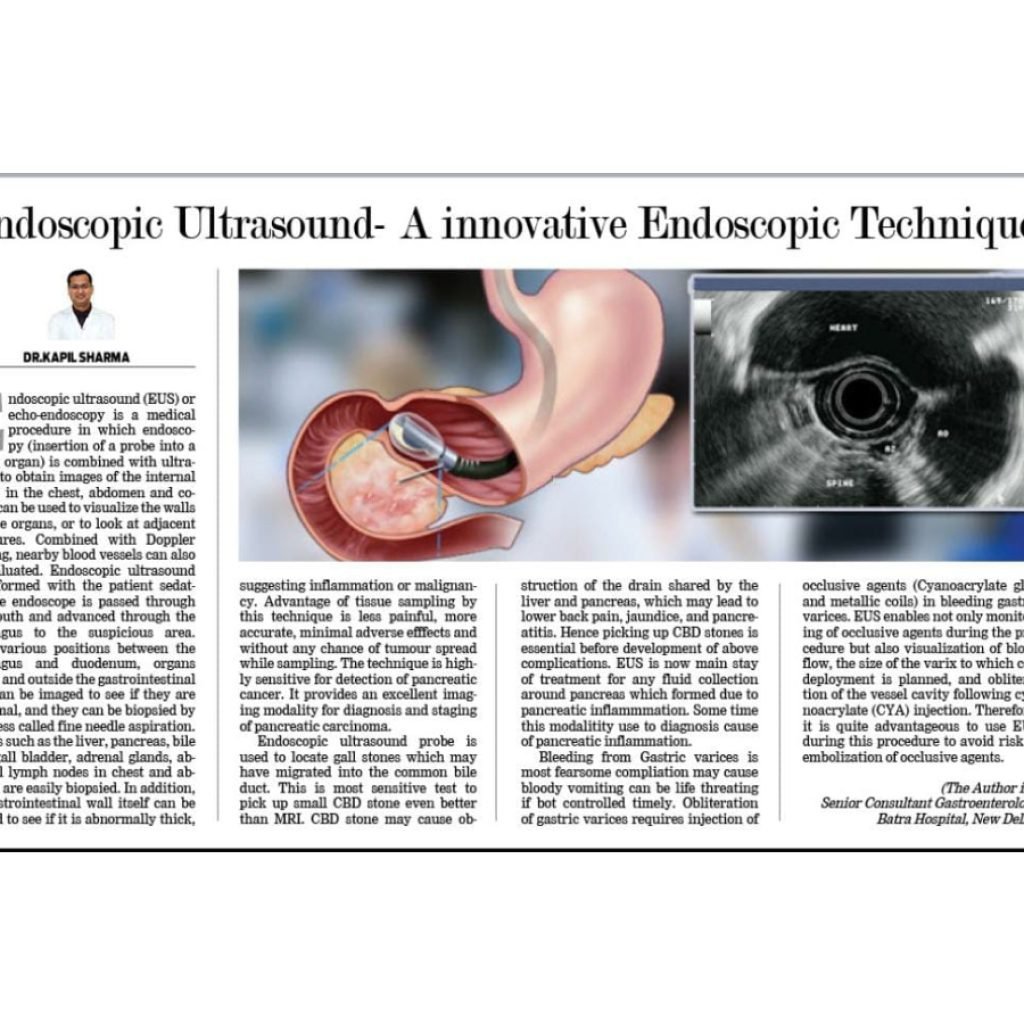
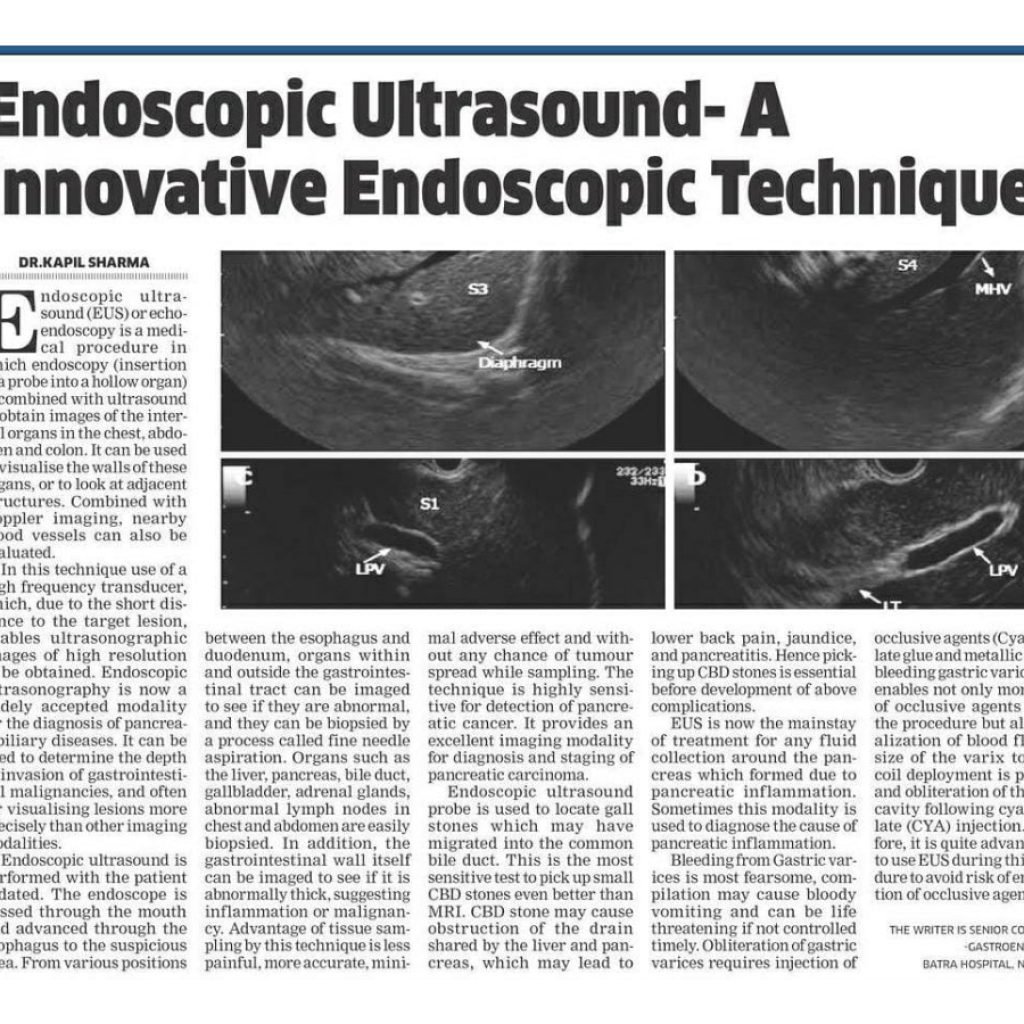
Digestive symptoms can sometimes require a closer look at the upper part of the digestive tract. An upper gastrointestinal (GI) endoscopy is a procedure that allows a clinician to examine the lining o...
That uncomfortable, stretched feeling in the abdomen after eating is something many people experience. Sometimes it happens after a large meal; at other times, even an ordinary lunch can leave the sto...
Finishing a meal should generally leave a person comfortably satisfied, not weighed down for hours. Yet many people experience a feeling of heaviness after eating, sometimes accompanied by bloating, b...
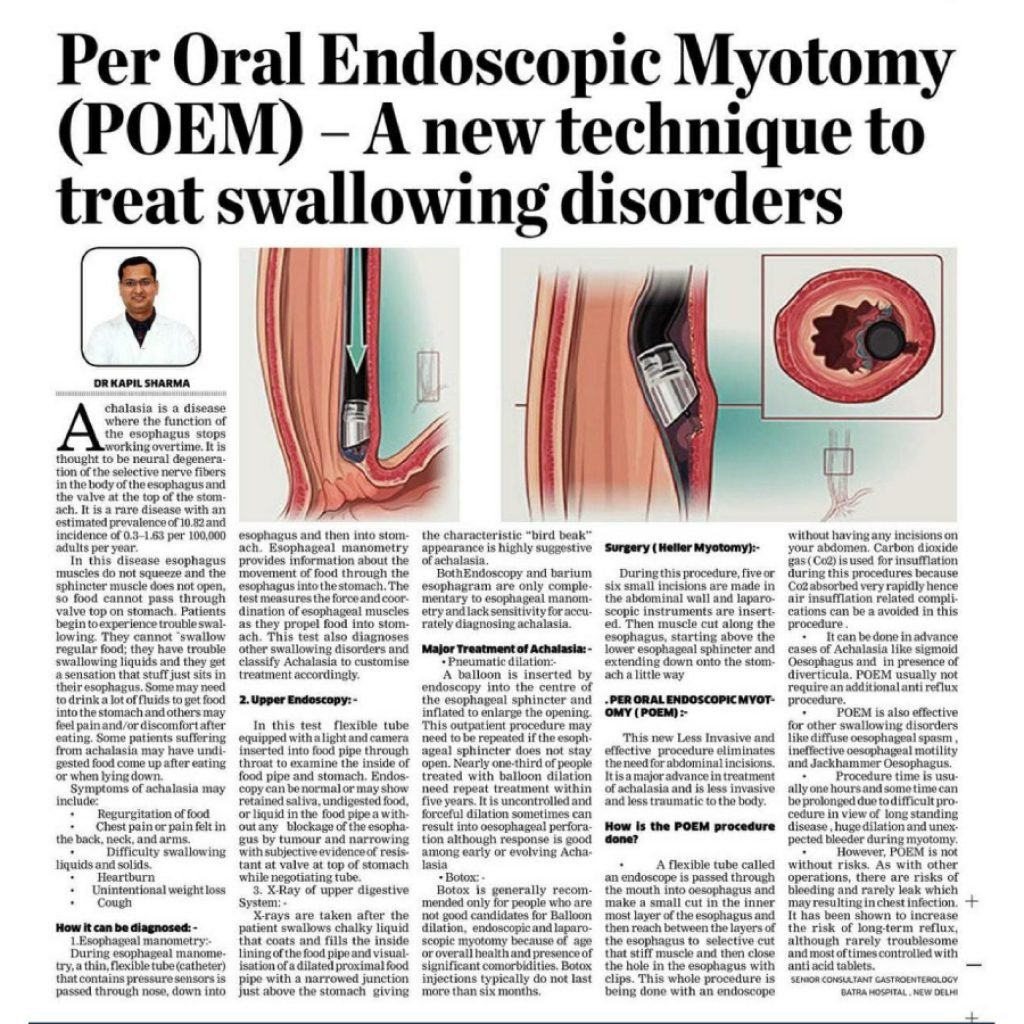
The oesophagus is a muscular tube that carries food from the mouth to the stomach. Its function depends on coordinated muscle contractions and the opening of a muscular valve near the stomach. In acha...
Swallowing requires a coordinated sequence of muscular movements that carries food from the mouth through the oesophagus and into the stomach. When the muscles at the lower end of the oesophagus fail ...
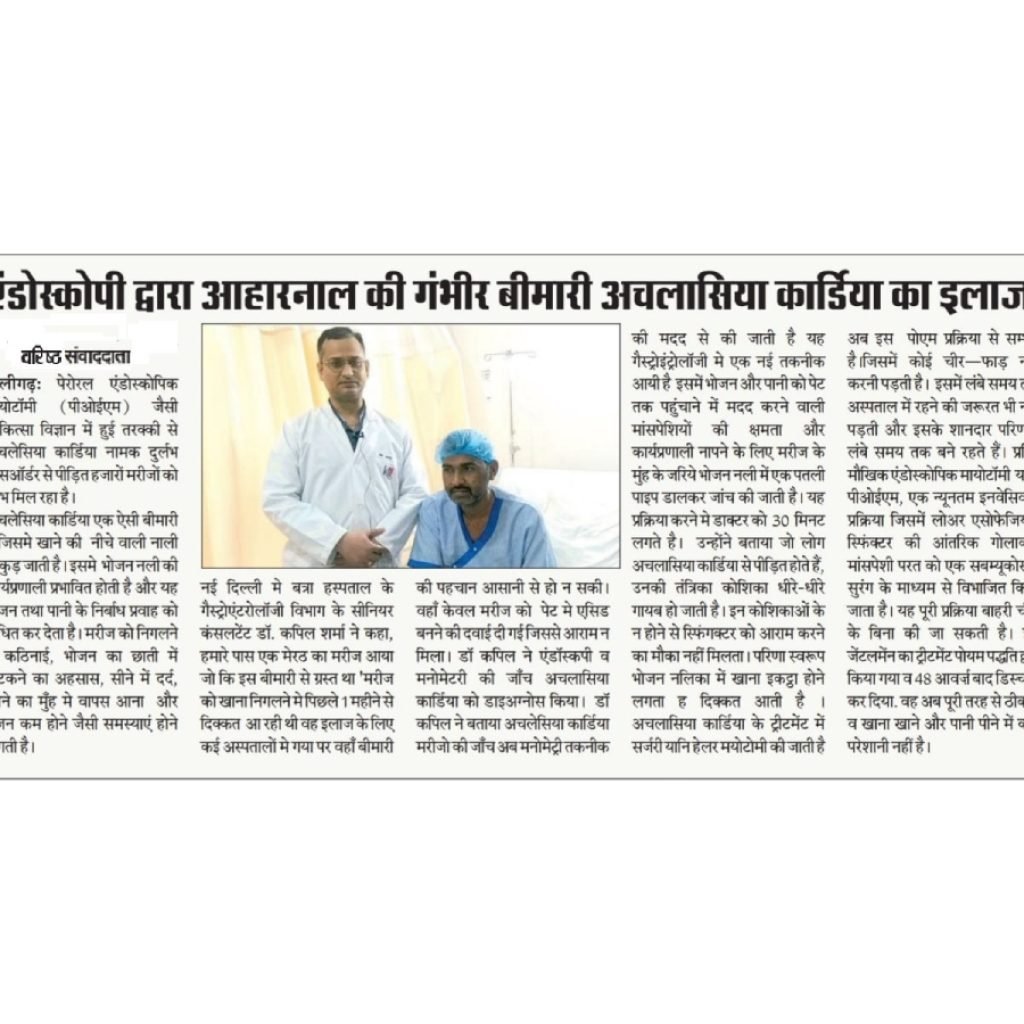
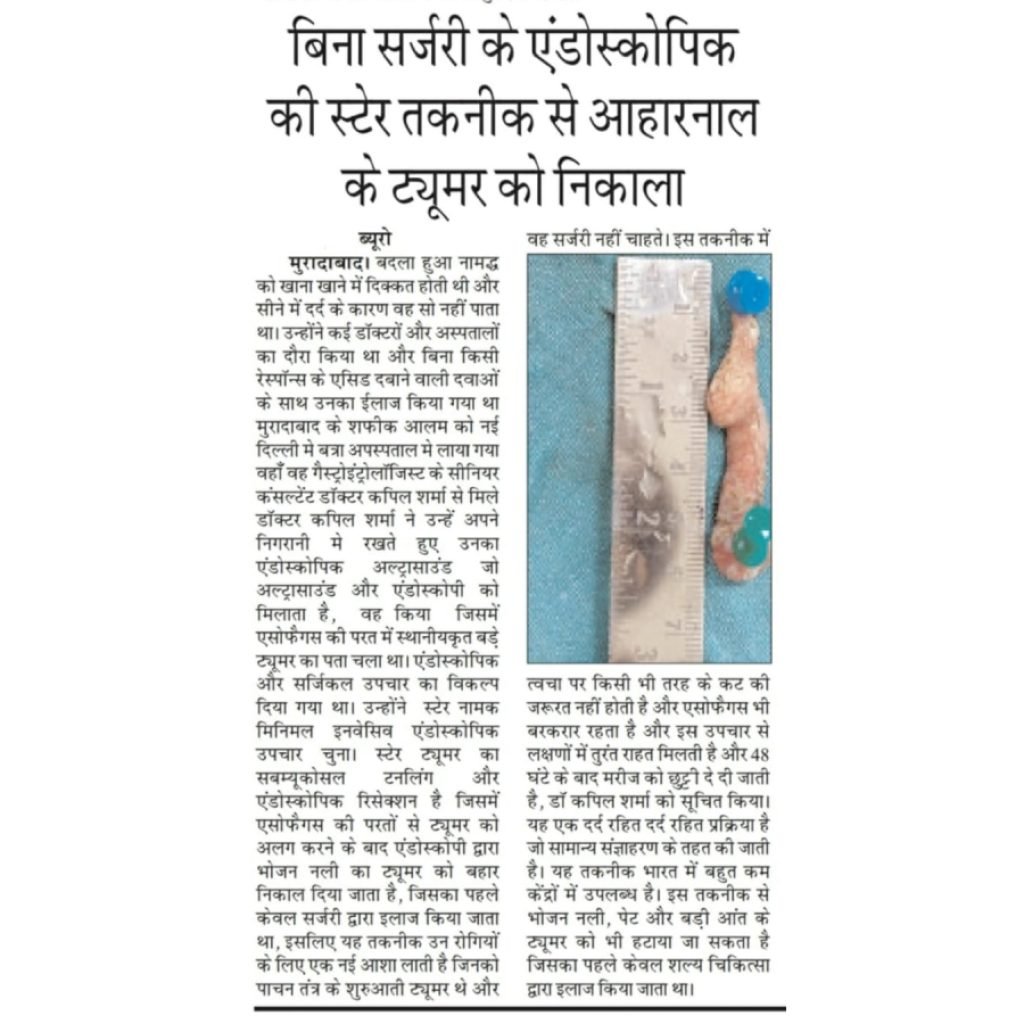
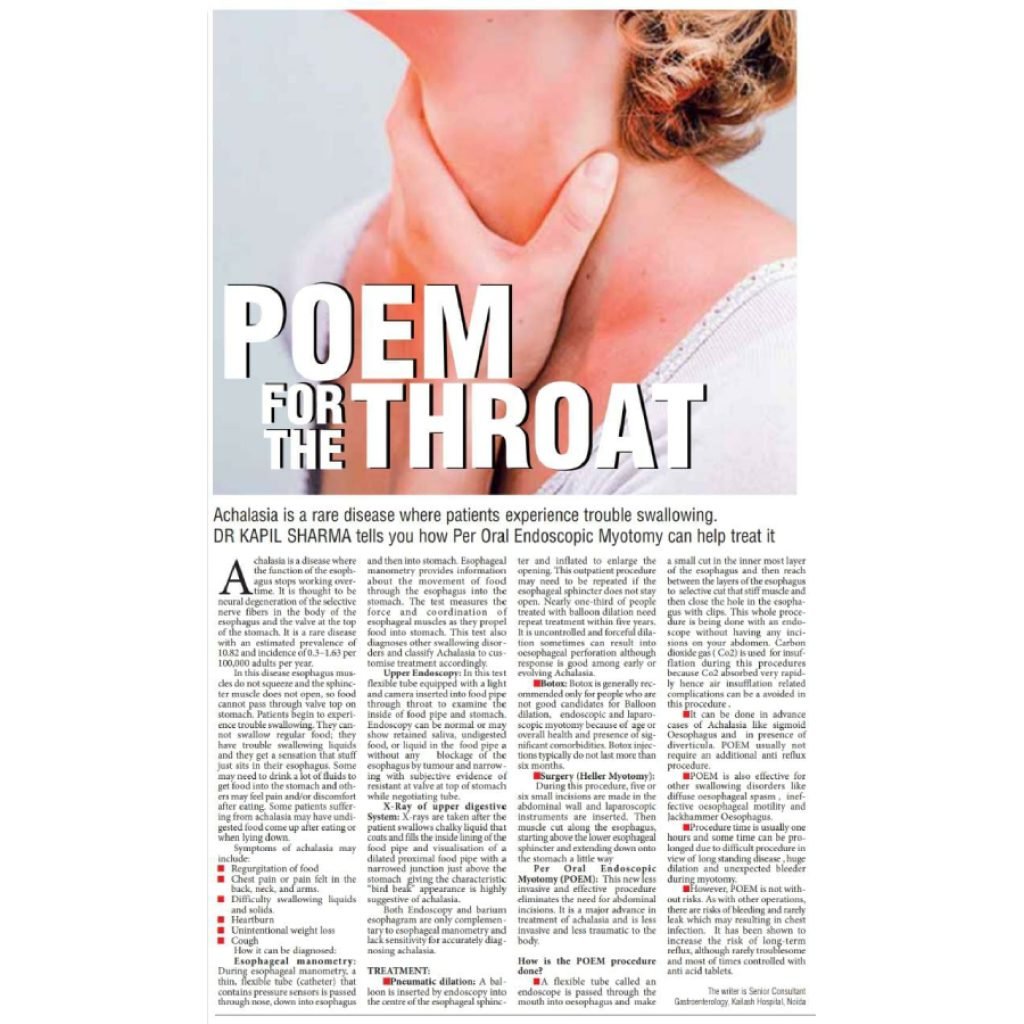
Achalasia cardia is an uncommon disorder of the oesophagus, the muscular tube that carries food from the mouth to the stomach. It develops when the lower oesophageal sphincter, a ring of muscle at the...
Swallowing a bite of food or taking a sip of water is something most people do without thinking twice. For individuals living with an esophageal motility disorder, however, every meal feels like an ex...
When Swallowing Problems Begin to Affect Daily Life
Eating is something most people do without thinking about the movement of food through the oesophagus. When that movement becomes difficult, however, meals can gradually become uncomfortable, slow or ...
When Digestive Problems Start Affecting a Childs Daily Life
Children may not always describe digestive discomfort in clear medical terms. Instead, a child may become reluctant to eat, avoid using the toilet at school, complain about feeling uncomfortable after...